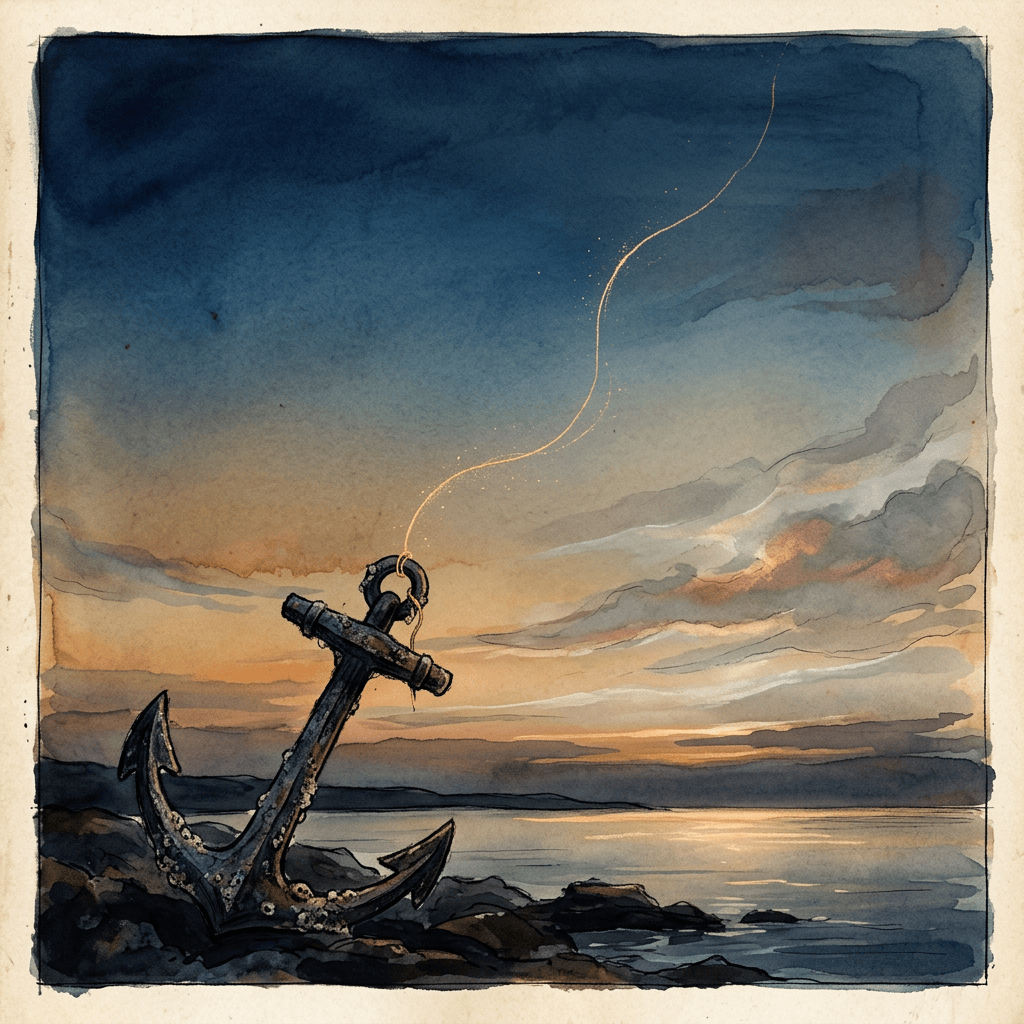
There is something about losing your mother that changes the way you move through the world. It is difficult to explain unless you have experienced it. You can be grown, accomplished, independent, raising children of your own, making decisions, navigating careers, and carrying the responsibilities of an entire life. And yet, when your mother is gone, something inside you feels untethered.
It isn’t necessarily that you need her to tell you what to do. It is that, somewhere deep down, you always knew she was there. She was part of the foundation of your existence. The person who knew you before you became anyone else. Before the titles, the responsibilities, the successes, the mistakes, the marriages, the children, the disappointments, and the carefully constructed version of yourself that you present to the world.
She knew the original you. And when she is gone, there is no replacing that.
You move through the milestones of life differently. There are moments when something wonderful happens, and your first instinct is to tell her. Then comes the realization, again, that you cannot. There are difficult days when you wish you could pick up the phone, hear her voice, or simply sit in a room with her without having to explain anything. Sometimes you don’t even know what you need. You just know that you need your mother.
The world doesn’t stop because she is gone. The calendar keeps moving. Your children grow up. Birthdays come and go. Holidays arrive with their familiar expectations. You continue to work, make decisions, solve problems, and show up for everyone who depends on you. From the outside, life looks much the same.
But inside, the geography of your life has changed.
There is no longer someone standing behind you in quite the same way. No one who represents that particular kind of unconditional belonging. You may have a family, friends, a partner, children, and a full life, but the relationship with your mother occupies a place that belongs to no one else.
Perhaps that is what being untethered really means. It is not that you have nowhere to go. It is that the person who connected you to where you came from is no longer here.
As time passes, you learn to live with the absence. You discover that grief doesn’t necessarily become smaller; rather, your life grows around it. You find ways to carry her with you. In the things she taught you, the expressions you catch yourself using, the recipes you prepare, the values you pass along, and the parts of your personality that suddenly make more sense when you recognize them as hers.
And still, there are moments when you feel like a little girl who has lost her way.
I think that is one of the quietest truths about losing your mother: no matter how old you are, some part of you remains her child. You can be fifty, sixty, or eighty years old and still wish you could go home to her.
You begin to understand that growing older without your mother is not simply the passage of time. It is learning to navigate a world in which one of your most important points of reference no longer exists in physical form.
You keep going. You build a life. You love people. You make new memories. You become the person someone else turns to for comfort and reassurance.
But every now and then, you look around and feel that familiar absence.
Untethered.
And perhaps the work of the rest of your life is not to find another anchor, but to understand that the love that once held you so securely is still part of you. You are moving forward without her, but you are not moving forward without what she gave you.
You are, in so many ways, still being mothered by her.

